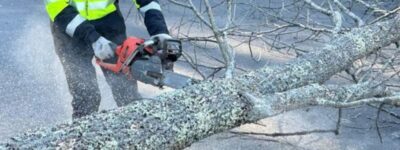

When a tree starts leaning, losing branches, or crowding your roofline, it’s natural to wonder if it can be saved or if it’s time to take it down. Making the right call not only protects your home and family but also keeps your landscape looking its best. Here’s how to think through the decision so you’re investing wisely in your South Shore property.
Key Takeaways
- Small trees (under 35 feet) typically benefit from targeted pruning to address specific issues like clearance and maintenance.
- Medium to large trees (35+ feet) may require removal when structural integrity is compromised or safety risks are present.
- Pruning is typically much less expensive than removal, though both vary based on tree size and complexity.
- Professional assessment determines the most cost-effective solution that protects your South Shore property value.
- Both services require Certified Arborists to ensure safety and compliance with local regulations.
What’s the Difference Between Tree Pruning and Tree Removal?
Tree pruning and removal both serve different purposes for your South Shore property. Tree pruning involves the selective removal of specific branches, limbs, or stems to improve the tree’s health, appearance, or safety while keeping the tree alive and thriving.
This approach addresses specific problems like low-hanging branches that interfere with lawn mowing or limbs too close to your roof.
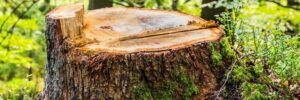
Tree removal requires taking down the entire tree from trunk to root system. This permanent solution becomes necessary when a tree poses risks to your property or cannot be saved through pruning alone. It is not a decision to take lightly, as mature trees often add substantial property value to your home.
Working with Certified Arborists ensures you make decisions that protect both your safety and your investment. Proper pruning techniques are vital to ensure the tree remains healthy for years to come.

Professional pruning maintains tree health while solving common property issues.
When Should You Choose Tree Pruning Over Removal?
Tree pruning is the right call when your tree is healthy overall but causing specific issues with safety, space, or property use. Consider pruning instead of removal when you notice:
- Low-hanging branches blocking walkways, driveways, or views
- Overgrown limbs encroaching on roofs, gutters, or power lines
- Crossing or rubbing branches that weaken the structure
- Storm-damaged branches likely to break during hurricanes or nor’easters
- Minor structural concerns that can be corrected through selective thinning or crown lifting

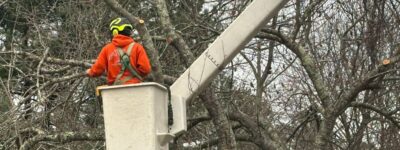
Professional crane-assisted removal ensures safety when trees pose risks to your property.
When Does Tree Removal Become Necessary?
Tree removal becomes necessary when pruning cannot adequately address safety concerns or when the tree’s condition threatens your property or other healthy trees. Unlike pruning decisions that focus on specific branches, removal decisions consider the entire tree’s viability and risk profile.
Safety Risks That Require Full Tree Removal
Structural instability tops the list of removal-worthy conditions. Trees with major trunk damage, root system problems, or a significant lean pose risks that pruning cannot fix. Recognizing the signs of hazardous trees helps property owners identify when removal becomes necessary. Some of the other major safety concerns for trees include:
- Pest and Disease Problems: Extensive pest and disease damage, such as damage caused by the emerald ash borer, can leave trees prone to failure. Preemptive removal of these trees will protect your property and everyone on it.
- Storm Damage: Storm damage sometimes creates situations where removal becomes the only safe option. When major storms compromise a tree’s structural integrity, emergency tree removal becomes essential for protecting your family and property.
- Dead or Dying Tree: Dead or dying trees require prompt removal regardless of their size or location. These trees become increasingly unpredictable, with branches or trunks failing without warning.
Property Changes That Justify Tree Removal
Tree removal isn’t always about safety – sometimes it’s about making space for how you want to use your property. Removal makes sense when trees:
- Interfere with new construction or additions: Homes, garages, patios, and driveways often require clearing space where root systems or canopies are in the way.
- Conflict with foundations or hardscapes: Roots pushing against foundations, walkways, or retaining walls can cause long-term structural issues.
- Limit major landscape redesigns: If you’re regrading, expanding lawn areas, or changing drainage patterns, large or poorly placed trees can block progress.
- Outgrow their location: In dense neighborhoods like Cohasset Village or Hingham Center, mature trees that once fit the space can now crowd homes, power lines, or neighboring properties.
- Create boundary disputes: Trees straddling property lines can lead to maintenance conflicts. Understanding Massachusetts tree laws helps clarify ownership and liability.
Strategic removals in these cases open up space for safe construction, better sunlight, and a more functional landscape without sacrificing long-term property value.
How Do You Decide Between Pruning and Removal?
The decision between pruning and removal requires evaluating your tree’s current condition, your property goals, and the long-term implications of each choice. Start by honestly assessing what problem you’re trying to solve and whether that problem stems from specific branches or the entire tree’s presence.
Evaluate the Tree’s Safety and Long-Term Health
Professional tree assessment goes beyond what homeowners can safely evaluate themselves. Certified Arborists use specialized tools and training to identify internal decay, root system problems, and structural weaknesses that aren’t visible from the ground.
Signs that require professional evaluation include:
- Mushrooms growing near the tree base
- Dead branches throughout the crown
- Cracks in the trunk
- Changes in leaf color and density
Some species, like silver maples, are prone to brittle branches that break easily. This makes them candidates for regular pruning or eventual removal in high-traffic areas. Others, like oaks, can live for centuries with proper care, making preservation through pruning almost always worthwhile when structurally sound.
Understanding whether you should remove this tree helps guide your decision-making process with professional criteria.
Weigh the Costs of Pruning vs. Removal
Consider both immediate costs and long-term financial impact when choosing between services. While removal might seem like a permanent solution, it often requires additional expenses for stump grinding, landscape restoration, and potentially replanting.
Pruning typically offers better return on investment when it solves your immediate problem. Regular maintenance pruning every 3-5 years keeps valuable trees healthy and reduces the likelihood of emergency removal needs. This proactive approach often costs less over time than reactive removal and replacement.
Understanding tree removal costs helps you budget appropriately for either service option.
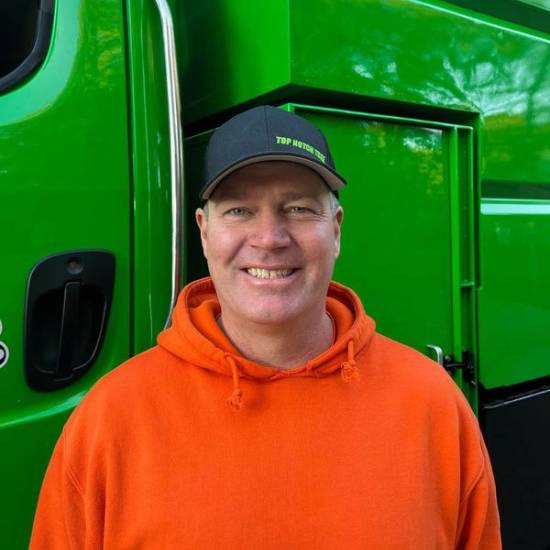
“After 25 years in the tree care business on the South Shore, I’ve seen too many homeowners make costly decisions because they didn’t understand the difference between what pruning can fix and what requires removal. An affordable pruning job can often solve the same safety concerns as an expensive removal job. That’s why we always start with an honest assessment.” — Jeff Van Meter, Owner & Certified Arborist at Top Notch Tree

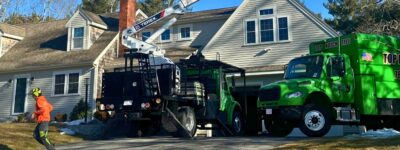
Heavy equipment allows for the safe removal of large trees that cannot be saved through pruning.
Frequently Asked Questions About Tree Pruning vs. Removal
Can pruning fix a leaning tree?
Pruning can reduce weight and wind resistance on leaning trees, but it cannot correct structural lean. Trees with significant lean typically require removal for safety, as the root system has likely been compromised.
How much of a tree can be safely pruned at one time?
Generally, no more than 25% of a tree’s canopy should be removed in a single season. Exceeding this threshold can stress the tree and compromise its health, potentially leading to a decline that necessitates removal. The benefits of tree pruning from a Certified Arborist include proper technique and timing.
What’s the cost difference between pruning and removal?
Pruning is typically much less expensive than removal. However, preservation through pruning often provides better long-term value when the tree is structurally sound.
How do I know if my tree’s problems will get worse without removal?
Progressive issues, like disease, structural damage, or root problems, typically worsen over time. Professional assessment can determine whether problems are manageable through pruning or require removal to prevent property damage or safety risks.
Should I get multiple opinions before deciding on removal?
For valuable or borderline trees, second opinions from Certified Arborists can provide additional perspective on treatment options. This helps confirm whether removal is truly necessary or if pruning alternatives exist.
Do I need permits for tree pruning or removal on the South Shore?
Permit requirements vary by municipality and tree location. Large trees, trees in wetland areas, or trees in historic districts may require permits for removal. Our South Shore tree removal permit guide and information about wetland tree removal requirements help ensure compliance with local regulations. Understanding Massachusetts tree bylaw requirements also helps ensure compliance.
Why does professional assessment matter for South Shore properties?
Working with Certified Arborists ensures you make informed decisions based on technical expertise rather than guesswork. Professional consultation becomes especially important on the South Shore, where coastal conditions, seasonal storms, and local regulations create unique considerations for tree care decisions.
Making the Right Choice for Your South Shore Property
The decision between tree pruning and removal ultimately depends on your specific tree’s condition, your property goals, and safety considerations. While pruning preserves valuable trees and often provides the most cost-effective solution, removal becomes necessary when safety risks outweigh the benefits of preservation.
Professional consultation ensures you choose the service that best protects your family, property, and investment while complying with local South Shore regulations. Don’t leave this important decision to guesswork when expert guidance is readily available.
Contact Top Notch Tree today at 781-412-1862 or request a free estimate. Our Certified Arborists will assess your trees’ condition and provide clear recommendations tailored to your property’s specific needs.