
Every March, maple producers across Massachusetts drill into tree trunks and hang buckets to catch the sap flowing inside. Late winter’s freeze-thaw cycles create pressure that pushes sap upward, filling those buckets with a steady drip. So, when you make a pruning cut during this window, that pressurized sap doesn’t just stay inside — it pours out of every fresh wound.
Before you start checking off your spring to-do list, here’s what you should know about pruning maple trees this season.
Key Takeaways
- Maples bleed heavily when pruned in spring (March through May) because sap is under pressure from freeze-thaw cycles.
- The real risk isn’t sap loss alone; it’s the pest attraction, disease entry, and slower wound healing that follows.
- The best pruning windows for maple trees on the South Shore are late winter (January through early March, before sap flows) or mid-summer (late June through August, after leaves harden).
- Dead, damaged, or hazardous branches are the exception — we urge homeowners to have a professional remove them as soon as they find them for safety.

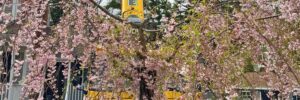
A fresh pruning cut on the left and heavy sap bleeding on the right show why spring is the wrong time to prune maples on the South Shore.
Why Do Maple Trees Bleed When You Prune Them in Spring?
Maple trees “bleed” in spring because of internal pressure created by late winter’s freeze-thaw cycles. When nights drop below freezing and days warm above about 40°F, water moves into the roots and trunk. As temperatures rise, that water expands and pushes sap upward through the tree.
Any opening in the bark — whether it’s a tap hole or a pruning cut — becomes an easy exit point, which is why sap pours from fresh cuts during this time of year.
In eastern Massachusetts, this sap flow typically runs from mid-February through mid-April. It’s the same process used during Massachusetts Maple Month, when hundreds of producers tap trees across the state. It takes roughly 40 to 50 gallons of sap to produce a single gallon of syrup, which gives you a sense of just how much liquid is moving through these trees.
Common landscape species like sugar, red, and silver maples all experience heavy sap flow during this period. The flow slows usually around mid-April, when nighttime temperatures stay above freezing and buds begin to swell. Until then, pruning will trigger that same heavy “bleeding,” making early spring one of the worst times to cut a maple.
What Happens When You Prune a Maple During Sap Season?
When you prune a maple during sap season, it gets messy fast. Within minutes of making a cut, sap begins running down the bark, onto your tools, and across the ground below. That sticky, sugar-rich sap coats saw blades and pruning shears, making each cut slower and less clean. On larger cuts, the dripping can continue for quite a while.
Sap bleeding won’t kill a tree on its own, but it’s not harmless either. Maple trees won’t “bleed to death” because their vascular system doesn’t function like a closed circulatory system. The real concern is what that sap loss sets in motion.
- Added Stress: Sap carries water, sugars, and stored energy meant for spring leaf-out. Losing it during peak growth puts unnecessary strain on the tree.
- Pest Attraction: Open, sap-covered wounds draw in borers, aphids, and other insects that feed on sugars.
- Slower Wound Closure: Constant sap flow delays the formation of callus tissue, leaving the tree exposed to disease and decay longer.
Younger trees are especially vulnerable. A recently planted maple doesn’t have the reserves of a mature tree, so even moderate pruning during this period can slow growth and set it back for the season.
When Should You Prune Maple Trees on the South Shore?
There are two windows that work well for pruning maples on the South Shore, and both avoid the spring sap season entirely. Which one makes sense depends on the type of pruning your tree needs.
Late Winter for Structural Pruning
The ideal window for structural pruning is while the tree is still fully dormant and sap hasn’t started flowing. Winter pruning has several advantages beyond avoiding sap flow. With the canopy bare, it’s much easier to see crossing branches, deadwood, and structural problems that need attention. Cuts made during this window heal quickly once spring growth kicks in.
In Hanover and across the South Shore, plan to finish any major pruning before mid-March, as that’s roughly when freeze-thaw cycling starts pushing sap upward.

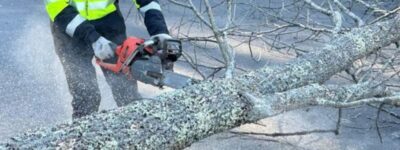
The Top Notch Tree crew prunes a dormant tree on a South Shore property before spring sap flow begins.
Mid-Summer for Lighter Pruning
Once leaves have fully hardened and turned dark green, sap is no longer under pressure and bleeding is minimal to nonexistent. This is the window we recommend specifically for maples and other “bleeder” species, and a Certified Arborist can identify exactly which cuts will benefit the tree most. It’s also a good time for lighter pruning work, like crown cleaning and thinning.
Don’t Wait to Remove Hazardous Branches: One important exception for maple tree pruning is dead, damaged, or hazardous branches. We recommend pruning them right away, regardless of the season.
Frequently Asked Questions Pruning Maple Trees
Is it bad to prune maple trees in the spring?
Yes, March through May is the worst window to prune maple trees because sap is actively flowing under pressure. Pruning during this period attracts insects to open wounds, increases the risk of fungal disease, and slows the tree’s ability to heal. Wait until mid-summer (late June through August) or prune in late winter before sap starts.
Will my maple tree die if it bleeds sap after pruning?
A healthy, mature maple won’t die from sap bleeding, as the flow will eventually stop on its own. The bigger concern is the secondary effects: insects drawn to the sweet sap and a longer healing timeline that leaves the tree exposed.
Should I seal pruning cuts on my maple tree?
No, arborists no longer recommend wound sealants or pruning paint. They can actually trap moisture against the cut and promote decay rather than prevent it. A properly made pruning cut will heal on its own through natural callus formation.
What other trees should not be pruned in spring?
Besides maples, other heavy spring bleeders include birch, elm, and walnut, all of which are common on the South Shore. Elm trees carry an added risk, as fresh pruning wounds in spring can attract elm bark beetles that spread Dutch elm disease.

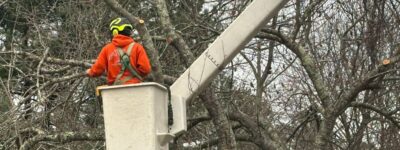
Mid-summer pruning from a bucket truck lets the Top Notch Tree team work on maples after sap pressure has stopped and leaves have fully hardened.
Schedule Your Maple Tree Pruning This Summer with Top Notch Tree
Spring feels like the right time to tackle everything on the to-do list, but for maples on the South Shore, it’s the one season to hold off on pruning. The same sap pressure filling buckets at sugarhouses across Massachusetts is exactly why a pruning cut in March or April does more harm than good.
Spring is the perfect time to plan for future maple tree pruning. Walk your property, take note of which trees need attention, and get on an arborist’s calendar before the summer schedule fills up. If you have maples or other mature trees in Hanover, Pembroke, or anywhere on the South Shore, call Top Notch Tree at 781-412-1862 or request a free estimate online today!