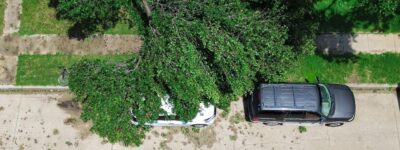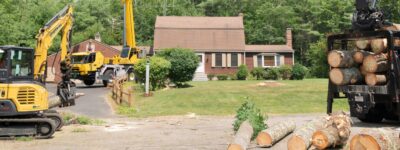

Last year, MassDEP imposed over $338,000 in penalties for illegal wetland alterations across Massachusetts, with individual fines reaching $25,000 per violation. When that hazardous tree near your marsh shows signs of failure, understanding the complete wetland tree removal process isn’t just about getting the job done right; it’s about avoiding devastating legal and financial consequences.
Key Takeaways
- Massachusetts Wetlands Protection Act requires permits for tree work within 100 feet of protected wetlands, with applications taking 2-4 weeks for conservation commission approval.
- Professional wetland tree removal involves specialized equipment, environmental protection setup, and regulatory compliance that standard tree removal doesn’t require.
- Wetland tree removal typically takes a full day due to ground protection installation, crane-assisted removal techniques, and environmental restoration requirements.
- Choosing ISA Certified Arborists with wetland experience protects you from violations that can result in fines up to $25,000 and mandatory restoration costs.
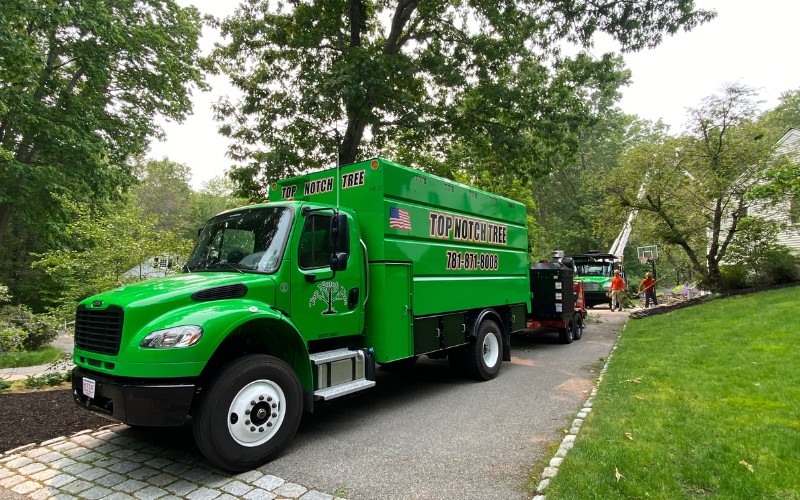
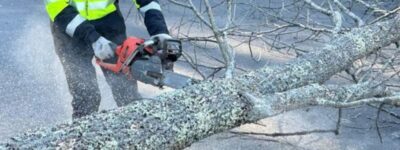
Professional tree removal crews arrive with specialized equipment, including trucks, cranes, and safety gear required for complex wetland tree removal projects.
Why Tree Removal Near Wetlands Is Treated Differently
Wetland tree removal is regulated differently because the goal isn’t just protecting visible wetlands – it’s protecting the buffer zone around them. In Massachusetts, this protected area extends 100 feet beyond the wetland itself and plays a critical role in protecting water quality, wildlife habitat, and natural flood control.
Trees within this buffer zone help stabilize soil, filter runoff, and prevent erosion that could damage wetland ecosystems. Removing a tree – even one that appears safely outside the wet area – can disrupt those protections through soil disturbance, heavy equipment access, or changes in drainage patterns.
Because of this risk, Massachusetts conservation laws require additional oversight for tree work near wetlands. That oversight is what triggers permitting requirements, environmental protection measures, and specialized removal methods that don’t apply to standard tree removal jobs.
Does Wetland Protection Apply to Your Property?
The Massachusetts Wetlands Protection Act governs all tree work near wetlands, making regulatory compliance the foundation of any successful wetland tree removal project on South Shore properties.
Understanding wetland buffer zones is only helpful if you know whether they apply to your property. On the South Shore, many homeowners are surprised to learn their tree work falls under wetland regulations because protected areas aren’t always obvious on the ground.
Even when wetlands aren’t visible, properties near marshes, streams, low-lying areas, or sites with seasonal flooding may still fall within regulated zones. Past development and altered drainage patterns can further obscure wetland boundaries, making it difficult for homeowners to determine restrictions on their own.
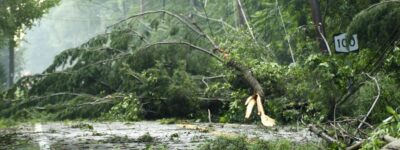
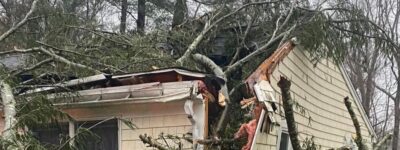
Experienced contractors evaluate wetland jurisdiction during initial consultations and can identify whether tree removal triggers regulatory requirements. They also understand when emergency conditions – such as storm-damaged or failing trees – may qualify for expedited review.
What Happens During a Wetland Tree Removal Consultation?
Wetland tree removal consultations are the step that determines whether permits are required and how the project must be handled. These consultations involve specialized evaluation steps that standard tree removal consultations don’t require, including environmental boundary assessment, regulatory review, and detailed project planning.
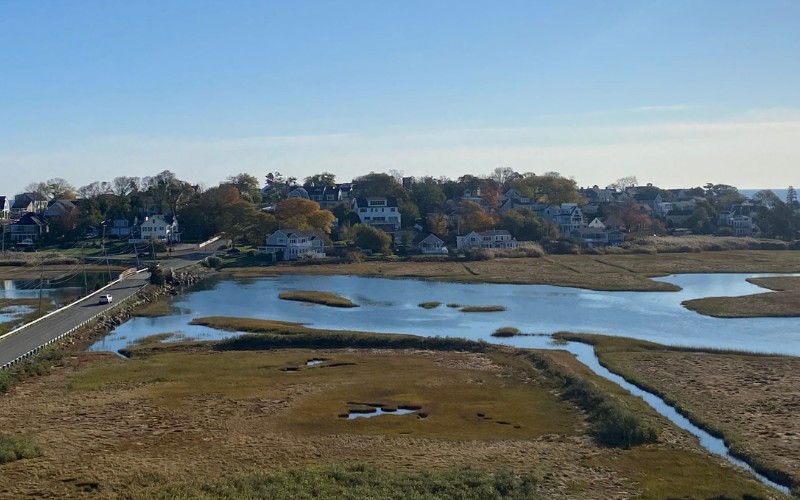
Typical South Shore wetland environment where Massachusetts conservation laws require specialized permits and environmental protection measures for tree work.
Assess Trees Near Wetlands for Removal
A qualified ISA Certified Arborist begins wetland consultations by identifying protected areas and buffer zones on your property. This assessment determines whether tree removal requires permits and what environmental protection measures apply to your specific situation.
Your arborist examines the tree’s health and structural integrity using specialized tools while simultaneously evaluating its proximity to wetland boundaries. They’ll also assess whether tree removal is actually necessary or if targeted pruning can resolve safety concerns without permit requirements.
Wetland consultations take longer than those outside of protected areas, as the arborist documents environmental conditions, photographs wetland boundaries, and explains regulatory requirements. This documentation becomes part of permit applications when required.
Determine Permit Requirements and Regulatory Path
Massachusetts Wetlands Protection Act permits typically require 2-4 weeks for approval. According to Massachusetts state law, conservation commissions must schedule public hearings within 21 days of receiving applications and issue decisions within 21 days after closing the hearing. Local conservation commissions in Cohasset, Hingham, Duxbury, and Marshfield each maintain different meeting schedules that affect permit approval timelines.
While this may not sound bad, the process doesn’t always work that smoothly. Many South Shore towns, including Scituate and its Conservation Commission, advise that the complete permitting process may take two to three months, depending on the scope of the job and location.
Permit applications require detailed site plans, environmental impact assessments, and restoration proposals that satisfy regulatory requirements. Established contractors provide this documentation as part of their standard service, protecting homeowners from future liability.
Develop a Plan for Wetland Tree Removal
Property access receives intensive evaluation during wetland consultations because environmental protection requirements limit equipment options and access routes. The arborist evaluates several factors, such as:
- Equipment staging areas
- Crew safety considerations
- Potential impact on sensitive environmental areas
Wetlands tree removal requires extensive ground protection planning. Your arborist determines what protective matting, equipment pads, and access routes will minimize environmental impact while allowing safe, efficient tree removal.
Weather conditions can extend planning timelines when field inspections are required, as conservation commission site visits may be delayed during periods of heavy rain, snow, or extreme conditions.
What Should You Expect on Wetland Tree Removal Day?
Wetland tree removal day involves extensive environmental protection setup, specialized removal techniques, and comprehensive cleanup that ensures regulatory compliance and ecosystem protection.
Site Preparation and Ground Protection Setup
Professional crews arrive early to install comprehensive ground protection systems required for wetland work. This preparation phase typically takes longer than it would for standard tree removal, as teams:
- Lay protective mats
- Establish equipment staging areas
- Verify environmental boundaries
Ground protection installation represents the most critical part of preparation. Crews install specialized mats, plywood systems, and equipment pads that distribute weight across sensitive areas. These measures ensure tree work won’t damage protected wetland areas or create conservation commission violations.
Specialized Removal Methods and Debris Handling
Because felling a tree in wetlands can cause significant ground disturbance, trees are typically removed using controlled, top-down methods. Crane-assisted tree removal is often used to lift sections of the tree directly out of the work area, reducing impact on sensitive soils and vegetation. While crane setup adds time to the front end of the job, it allows the removal process itself to move efficiently once work begins.
When crane access isn’t possible, trained tree climbers use rigging systems to carefully dismantle the tree in sections. This method takes longer than crane removal but allows crews to safely remove trees while protecting wetlands and maintaining compliance with environmental regulations.
Debris processing follows strict wetland protection protocols during removal operations. Mobile chippers process material immediately in approved staging areas, preventing accumulation near protected wetland boundaries. All debris removal happens the same day to minimize ground disturbance time in sensitive areas.
Standard wetland tree removals can take a full day to complete, depending on factors such as:
- Environmental protection setup
- Specialized equipment requirements
- Compliance documentation
- Difficulty accessing the tree
Site Restoration and Conservation Commission Requirements
Once a professional has removed the tree and taken care of the debris, there may still be work to do. Your local conservation commission may outline post-removal recovery efforts, such as reseeding or planting new vegetation.
While these acts add to the timeline of tree removal, it does protect you from legal action and help keep our wetlands thriving.
Frequently Asked Questions About Wetland Tree Removal
Do you need special permits for tree removal near wetlands?
The Massachusetts Wetlands Protection Act requires permits for work within 100 feet of wetlands. Professional wetland contractors handle permit applications, environmental compliance, and conservation commission coordination as part of their standard service.
What environmental protection measures are required during wetland tree work?
Professional crews install ground protection matting, establish equipment staging areas outside wetland buffers, use crane-assisted removal to control debris, and complete environmental restoration according to permit conditions.
Can wetland tree removal be done during winter on South Shore properties?
Professional crews can work year-round on wetland properties, though conservation commissions may impose seasonal restrictions during wildlife breeding periods or when ground conditions could cause environmental damage.
What happens if tree removal violates wetland regulations?
If tree removal violates wetland regulations, it can result in stop-work orders, substantial fines, mandatory professional restoration, and long-term monitoring requirements that far exceed original project costs, which is why professional environmental compliance is essential.
What mistakes should I avoid when hiring wetland tree services?
Avoid contractors without Massachusetts Wetlands Protection Act experience, unclear permit explanations, or standard insurance that doesn’t cover environmental violations. These contractors can cost you a lot down the road if they damage the wetlands or fail to secure proper permits.
Why should I choose ISA Certified Arborists for wetland tree work?
ISA Certified Arborists experienced in wetland work provide specialized environmental training, established conservation commission relationships, and environmental liability insurance that general contractors lack. They ensure compliance with Massachusetts wetland regulations and protect you from costly violations.
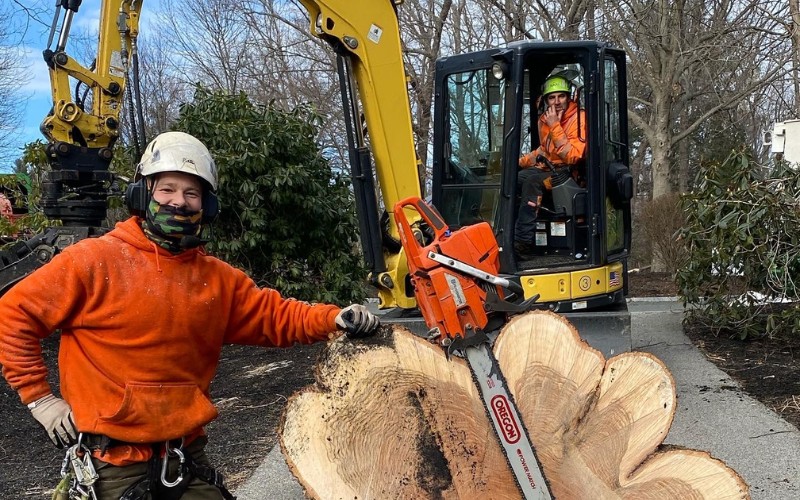
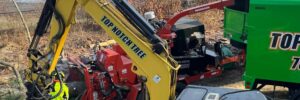
Professional arborists use specialized equipment and safety protocols to process debris during wetland tree removal while minimizing environmental impact.
Get Expert Wetland Tree Removal from Top Notch Tree
Professional wetland tree removal on South Shore properties involves permit coordination, environmental protection, specialized equipment, and regulatory compliance that protects both your property and the coastal ecosystem. Wetland properties require environmental expertise that experienced contractors provide through proper planning, compliance documentation, and conservation commission relationships.
Ready to discuss wetland tree removal for your South Shore property? The team at Top Notch Tree contains arborists and industry veterans who have extensive experience with safely removing trees in wetlands. Call us today at 781-412-1862 or request a quote online for professional wetland tree removal.