

Lot clearing mistakes on the South Shore can get expensive fast – and messy. Between wetland regulations, seasonal timing, and site conditions, small missteps can lead to delays, fines, or a project that stalls before it even gets started.
Many property owners run into problems not because they cut corners intentionally, but because they underestimate how complex the process can be, especially on coastal lots. Knowing what to watch for ahead of time can save you significant time, money, and frustration.
Key Takeaways
- South Shore property owners often face expensive permit violations and restoration costs starting at $25,000 when they assume lot clearing doesn’t require conservation commission approval within 100-foot wetland buffer zones.
- Seasonal timing mistakes cost property owners more in contractor fees when they wait until spring instead of starting permit applications during the fall and winter months.
- Coastal South Shore lots require specialized permitting expertise beyond typical inland properties due to salt marsh proximity, erosion control requirements, and additional state and federal regulatory oversight.
- DIY site assessment consistently misses critical wetland features, underground utilities, and jurisdictional boundaries that lead to expensive mid-project delays and permit redesigns.
- If you pick the cheapest contractor instead of someone who understands permits and tree work, you’ll probably end up paying more later when things go wrong.
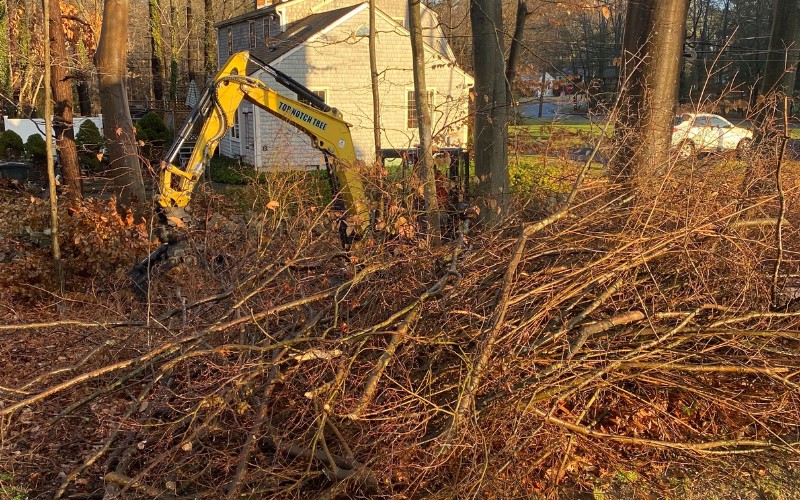
Professional lot clearing requires precise equipment operation and experienced oversight to protect existing structures while efficiently removing unwanted vegetation.
What Are the Most Expensive Lot Clearing Mistakes on the South Shore?
Every spring, South Shore property owners discover that seemingly straightforward lot clearing projects can turn into expensive regulatory nightmares. From permit violations that trigger thousands in fines to project shutdowns that stretch timelines into summer construction season, these mistakes share one common thread: they’re all preventable with proper planning.
Here are the most common lot clearing mistakes to avoid:
1. Assuming You Don’t Need Permits for Lot Clearing
The biggest mistake South Shore property owners make is assuming that clearing trees and vegetation doesn’t require permits because it’s “their land.” Under the Massachusetts Wetlands Protection Act, any work within 100 feet of wetlands, which includes many coastal South Shore properties, requires conservation commission review.
The financial consequences are severe. Violation fines start at $25,000 and can escalate quickly. More expensive than fines are the restoration work often required when violations are discovered. Property owners in towns like Marshfield and Cohasset have faced restoration orders costing $50,000 to $100,000 after clearing work was halted mid-project.
Once a violation is identified, all work must stop until proper permits are obtained through the enforcement process, which is longer and more costly than obtaining permits the first time. The solution is simple: contact your local conservation commission before any clearing begins, and work with a company that understands these requirements.
2. Underestimating Wetland Buffer Zone Requirements
South Shore property owners often underestimate how far wetland buffer zones extend onto their property. The 100-foot buffer zone rule can apply to features that aren’t always obvious, including seasonal wetlands that only hold water during parts of the year.
That buffer is measured from the edge of the resource area, not your property line – so a nearby stream, marsh, or low-lying area can significantly limit where clearing is allowed. Working within or near these zones without proper planning can lead to permit violations, project delays, and costly restoration requirements. An experienced lot clearing contractor can identify regulated areas early and help navigate the permitting process before any work begins.
3. Waiting Too Late to Begin the Permitting Process
The seasonal rush for lot clearing creates significant delays for property owners who wait until spring to begin permit applications. Conservation commission meetings typically occur once monthly, and during the peak spring season, permit processing times extend from the minimum 21 days to several months.
Contractor availability compounds the timing problem. Experienced lot clearing contractors familiar with wetland permitting requirements are booked months ahead during peak season. Property owners who wait until spring often face premium pricing that will increase the budget of the project.
Starting permit planning during fall and winter allows time for proper application preparation, conservation commission review, and contractor scheduling before peak season pricing takes effect. Property owners who plan ahead secure both better contractors and better pricing.
4. Defining Project Scope Without Professional Input
One of the easiest ways to create problems during lot clearing is not clearly defining what should and shouldn’t be removed. Without a professional assessment, property owners can either clear too much or not enough – both of which lead to costly issues.
Over-clearing can trigger violations, fines, and costly restoration requirements, while under-clearing often leads to mid-project delays when additional permits are needed. Unclear boundaries only make things worse – without proper survey work or marked limits, contractors may clear beyond permitted areas or even onto neighboring properties.
On South Shore properties, this becomes even more important near wetland buffer zones, where selective clearing rules apply. Working with an experienced contractor upfront helps define exact clearing limits, avoid miscommunication, and keep the project moving without expensive changes along the way.
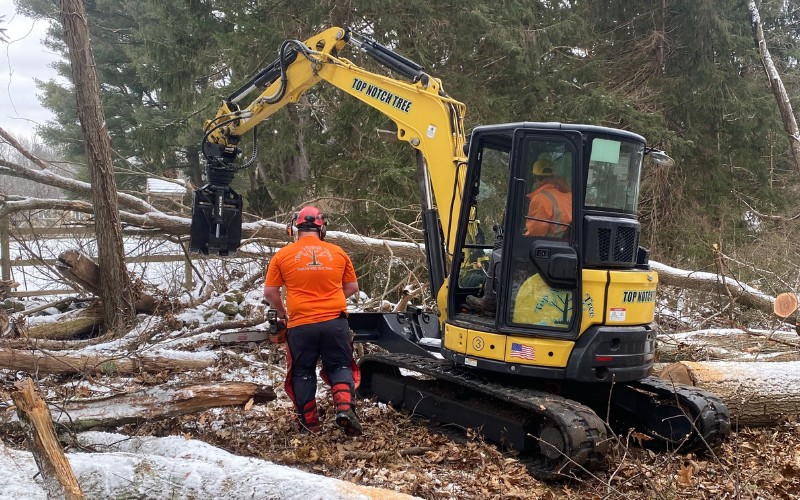
Top Notch Tree’s experienced crew uses specialized equipment to safely clear storm debris during Massachusetts winter conditions, ensuring proper safety protocols and environmental protection.
5. Skipping Professional Site Assessment
DIY site assessment by property owners consistently misses critical features that impact permitting and project costs. Wetland features, underground utilities, easements, and jurisdictional boundaries require professional evaluation to avoid expensive mistakes.
Missing wetland features during initial assessment leads to permit delays and project redesign. Seasonal streams, vernal pools, and underground water flow patterns aren’t obvious to untrained observers but significantly impact what clearing work is allowed. Professional wetland scientists can identify jurisdictional features that property owners miss.
Utility conflicts, soil conditions, and access limitations discovered mid-project cause expensive delays. Professional assessment identifies these challenges upfront, providing the information needed for accurate permitting and realistic project budgeting. The cost of professional assessment is minimal compared to delays when critical features are missed.
6. Selecting Contractors Based on Price Alone
The difference between general tree removal contractors and experienced lot clearing professionals becomes expensive when wetland regulations and complex permitting are involved. Not all contractors understand conservation commission requirements or have experience navigating the permitting process.
ISA Certified Arborist qualifications matter for lot clearing projects that involve permit applications. Conservation commissions often expect detailed vegetation assessments and removal plans that call for professional forestry expertise. Local arborists can accurately document the vegetation and understand how to present the information to conservation commissions.
The best contractors handle permit preparation, conservation commission presentations, and regulatory compliance as part of their service.
How do you find the right contractor for the job? Build trust by asking the right questions and using those conversations to evaluate their experience with wetlands and lot clearing.
The cheapest contractor quote often becomes the most expensive choice when permitting problems develop.
Frequently Asked Questions Spring Lot Clearing
Do I need a permit for lot clearing in Massachusetts?
Most lot clearing projects in Massachusetts require conservation commission review, especially within 100 feet of wetlands, which includes most South Shore coastal properties. Contact your local conservation commission before beginning any clearing work to determine specific requirements.
How long does conservation commission approval take?
Conservation commission review typically takes 21 days minimum, but can extend to several months during the busy spring season for complex coastal projects. Start the permitting process in fall or winter to avoid peak season delays.
What is the 100-foot buffer zone rule?
The Massachusetts Wetlands Protection Act regulates all work within 100 feet of wetlands and 200 feet of rivers, affecting many South Shore properties. This includes seasonal wetlands that may only hold water during spring snowmelt but are still regulated year-round.
When should I start planning spring lot clearing?
Start planning by fall or early winter to allow time for permit processing and contractor scheduling before the busy spring construction season. This timeline avoids peak season delays and premium pricing.
Do coastal lots need different permits than inland properties?
Yes, coastal lots often trigger additional state and federal review due to erosion control requirements and salt marsh protection regulations. Coastal properties require specialized permitting expertise and additional planning for erosion control measures.
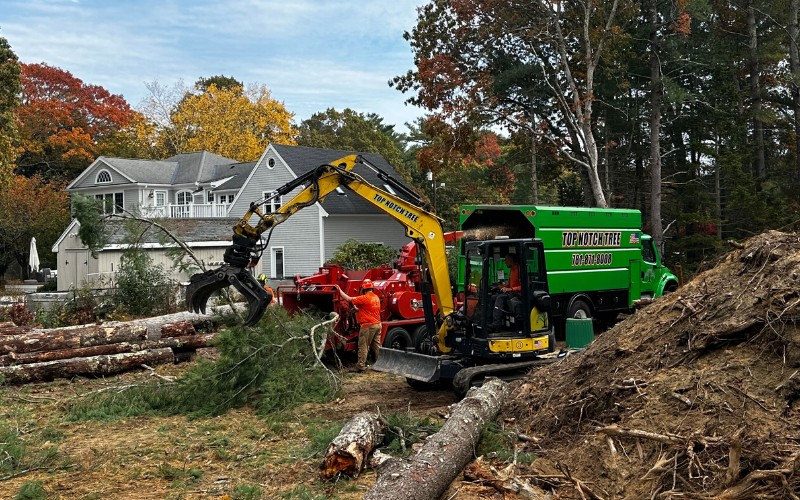
Large-scale lot-clearing projects require coordinated equipment and experienced crews to efficiently process vegetation while maintaining safety standards and protecting property.
Start Planning Now with Top Notch Tree to Avoid These Costly Delays
These mistakes are behind many of the delays and unexpected costs South Shore property owners run into each spring. Projects that start without a clear plan – especially around permits, wetland regulations, and contractor selection – often end up taking longer and costing more than expected. Getting the right guidance upfront helps you avoid setbacks and keeps your project moving forward.
If you want to work with a lot clearing company you can trust on the South Shore, look no further than our team at Top Notch Tree. We’ve been providing lot clearing to South Shore residents for years, and we understand how to get the job done on time and legally. Call us today at 781-412-1862 or request a quote for help with lot clearing and tree removal.