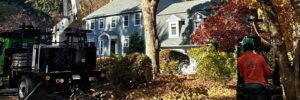

Nor’easters can drag on for days with a combination of everything from heavy wind, snow, rain, ice, and salt spray – creating a stressful period for your trees. When the storm finally moves on, what it leaves behind isn’t always simple. Limbs across driveways, trees leaning towards houses, branches tangled in power lines – and a long list of questions about what to do first.
Storm cleanup isn’t just about clearing debris piles, it’s about safety, timing, and knowing who to call so the situation doesn’t get worse.
Key Takeaways
- Never approach storm-damaged trees without first ensuring your safety, as damaged trees can fail unpredictably even hours or days after a storm.
- Call emergency tree services immediately if trees or large branches are on structures, blocking emergency access, or hanging overhead.
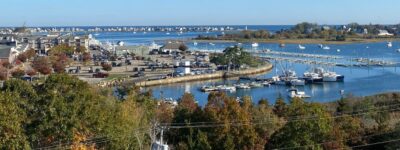
- Coastal South Shore properties face unique vulnerabilities due to salt exposure, sandy soil, and direct Atlantic winds that can reach 70+ mph.
- Emergency situations require immediate professional attention, while cosmetic damage in open areas can typically wait for regular tree service scheduling.
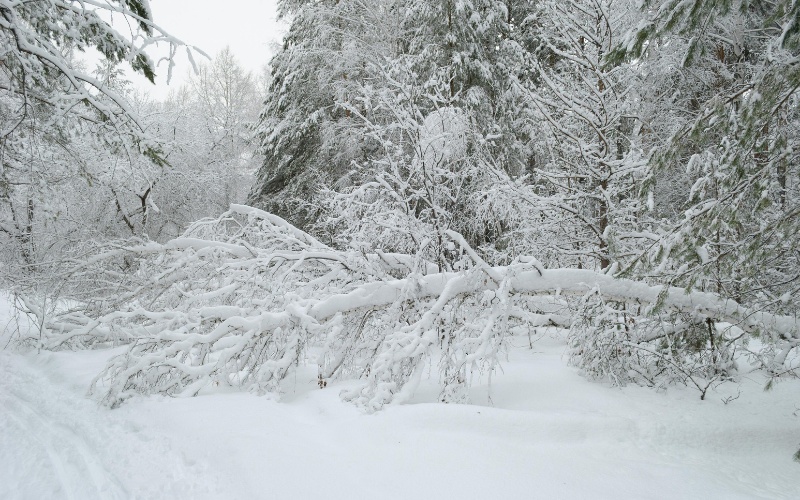
Storm-damaged trees create unpredictable hazards that require professional assessment, as weakened branches can fail days after the initial storm passes.
What Should You Do Immediately After Discovering Nor’easter Tree Damage?
The first few hours after discovering tree damage on your property are critical for your safety and the safety of others. Nor’easters create dangerous conditions that can persist even after the storm passes. The Massachusetts Emergency Management Agency provides essential guidance on tracking nor’easters and staying safe during these powerful coastal storms.
How Do You Ensure Personal Safety Around Storm-Damaged Trees?
Your safety is the absolute top priority. Before you even step outside to assess damage, take these essential precautions:
- Use Caution Around Power Lines: Always assume every downed line is live and carrying electricity. Even if the power appears to be out in your neighborhood, lines can still be energized. Maintain at least 35 feet of distance from any downed lines and call your utility company immediately.
- Establish a Perimeter: The rule of thumb is to stay at least twice the tree’s height away from any damaged tree. If you have a 40-foot oak with storm damage, don’t get closer than 80 feet until it’s been professionally assessed. Storm-damaged trees can fail without warning, even in calm conditions.
- Do Not Stand Under the Tree: Branches that appear stable can suddenly break free, especially if they’re partially split or hanging on by just bark and a few wood fibers.
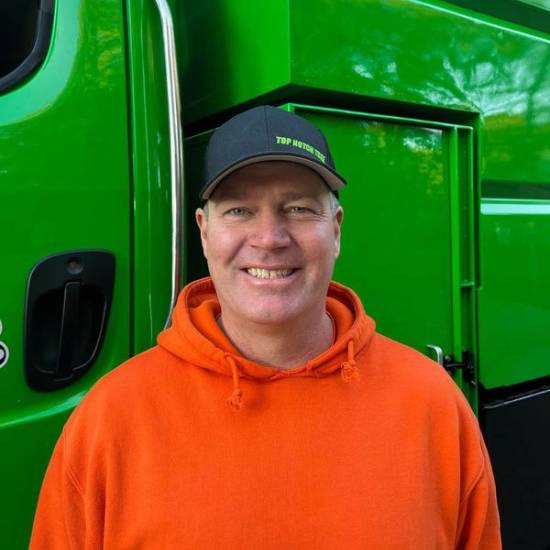
“After more than two decades serving the South Shore, I’ve seen how quickly a seemingly stable tree can become dangerous after a nor’easter. What homeowners often don’t realize is that the real danger period can be 24-48 hours after the storm passes, when weakened trees finally succumb to normal wind loads. That’s why we always tell people: when in doubt, stay away and call us immediately.” – Jeff Van Meter, ISA Certified Arborist at Top Notch Tree
When Should You Call Emergency Tree Services After a Storm?
Some situations demand immediate professional attention, regardless of the time of day or weather conditions. Call an emergency tree service if you discover:
- Trees or large branches resting on homes, garages, or other structures. Even if the damage appears minor, the weight distribution can cause progressive structural failure. What starts as a small crack can quickly become major roof or wall damage.
- Trees blocking roads or emergency access routes. Clear roads allow emergency vehicles to get where they need to go. In Marshfield and Scituate, where many homes are set back from main roads, blocked driveways can create serious safety issues. Understanding fallen tree responsibility can also help you determine who’s liable for cleanup.
- Large hanging branches threatening to fall. Arborists call these “widow makers” because they can drop without warning. These are especially dangerous after nor’easters because ice, wind, and snow can have weakened attachment points that aren’t visible from the ground.
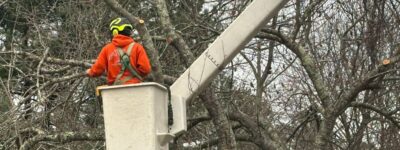
Professional emergency tree crews are equipped to respond safely even in challenging post-storm conditions and have the training to stabilize dangerous situations.
How Can You Tell If Storm-Damaged Trees Are Dangerous?
After ensuring your immediate safety, your next step is assessing which damaged trees pose ongoing risks versus those that can wait for regular tree service scheduling. This evaluation requires understanding the difference between obvious hazards and hidden damage that only trained professionals can identify.
What Are the Warning Signs That Require Immediate Professional Help?
Certain types of storm damage create immediate dangers that homeowners should never attempt to handle themselves. Learning to recognize signs of hazardous trees can help you identify these situations:
- Hanging or partially attached branches larger than 2 inches in diameter are incredibly unpredictable and can suddenly fail. Pay special attention if they’ve been weakened by previous storm damage.
- Trees or large branches caught on or leaning against other trees create what arborists call a “domino effect” situation. When one tree finally falls, it can bring down others, creating a much larger and more dangerous situation.
- Visible cracks in tree trunks or major branches that go more than halfway through a trunk or major branch represent a significant structural failure. These trees can split completely apart with little additional stress.
- Root exposure or soil upheaval around the tree base is a major red flag. If you can see roots that are normally buried, or if there’s a mound of soil on one side of the tree, the root system may be compromised.
What Can Homeowners Safely Assess vs. What Requires Professional Evaluation?
While safety should always be your first concern, there are some assessments you can make from a safe distance. You can safely observe obvious damage that’s clearly visible from your established safety perimeter, such as completely severed branches lying on the ground in open areas or cosmetic damage to smaller ornamental trees.
However, professional evaluation is required for internal decay that may not be visible, root system stability, the structural integrity of partially damaged trees, and the overall health of trees that appear undamaged but may have suffered hidden stress.
WARNING: When in doubt, mark dangerous areas with caution tape or temporary barriers to prevent family members or visitors from entering, and schedule a professional tree risk assessment.
Why Even Non-Emergency Storm Damage Deserves Follow-Up
Not all storm damage requires an emergency crew. In many cases, trees can make it through nor’easters – but not completely unscathed. Things like partially torn limbs, a tree with a slight lean, or a heavy canopy that flexed harder than it should have may not block a driveway or involve a roof, but they do matter.
Small structural issues tend to compound with each weather event, especially along the South Shore where winter winds and coastal conditions return year after year. A limb that only tore halfway through this time may fail completely in the next nor’easter, and a tree that shifted in saturated soil can continue to move over time.
This is why post-storm inspections and corrective pruning shouldn’t be put off. Addressing structural concerns soon after a storm reduces future failure risk, preserves mature trees when possible, and avoids the higher costs and hazards of rushed emergency removals later.
PRO TIP: The best defense against storm damage is prevention. Storm damage prevention pruning performed before storm season can significantly reduce the risk of tree failure during nor’easters.
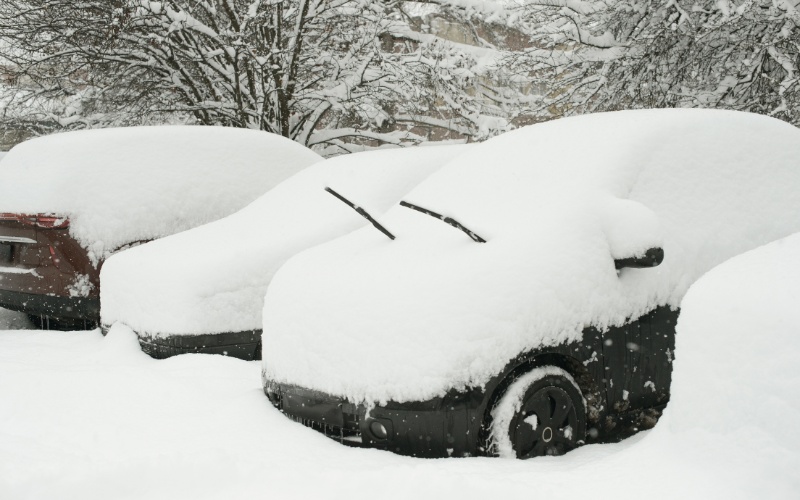
Heavy snowfall from nor’easters can quickly accumulate, creating hazardous conditions and increasing the load on trees throughout South Shore neighborhoods.
Frequently Asked Questions Nor’easter Tree Damage
How quickly should I call for emergency tree removal after a nor’easter?
You should call for emergency tree removal immediately for safety threats like trees on structures or hanging branches. For assessment of potentially dangerous but stable-appearing trees, call within 24-48 hours to ensure professional evaluation before conditions change.
Will insurance cover emergency tree removal on the South Shore?
Coverage varies significantly by policy and situation. Most policies cover removal if trees damage structures, but coverage for preventive removal or cleanup varies. Contact your insurer within 24 hours to understand your specific coverage.
What makes South Shore properties more vulnerable to nor’easter damage?
Direct Atlantic exposure creates higher wind speeds, salt spray weakens trees over time, and sandy soil provides less stable root anchoring compared to inland areas. These factors combine to increase both damage frequency and severity.
Can I remove small storm-damaged branches myself after a nor’easter?
Never attempt to remove storm-damaged branches yourself. Hidden tensions and structural damage create unpredictable failure patterns that can cause serious injury even with seemingly minor damage.
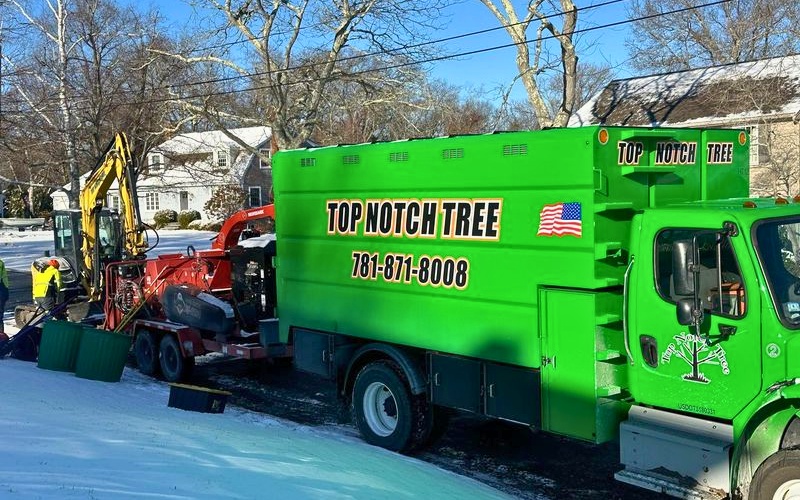
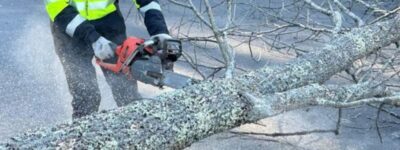
Professional tree crews use specialized equipment to safely remove storm-damaged trees and restore access to affected properties.
Storm Damage Requires Fast, Professional Response from Top Notch Tree
When nor’easters strike the South Shore, a quick and safe response protects your family and property. Remember: establish safety perimeters, never approach damaged trees, document from safe distances, and call emergency services when trees threaten structures.
At Top Notch Tree, our Certified Arborists are available 24/7 for emergency situations and insurance documentation. Call us at 781-412-1862 or request a quote online for help with your storm-damaged trees today.