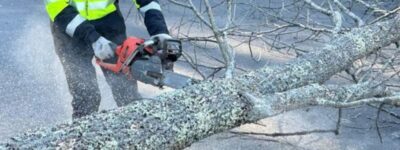

Drought may not be making headlines right now, but your trees are still feeling it. Last fall, Massachusetts faced one of its driest stretches in years, sparking concern across the South Shore and beyond. And while conditions have improved, the damage to trees doesn’t disappear with the rain. In fact, the real impact often shows up months – or even years – after the drought ends.
We’ll break down how drought stress affects trees over time and what South Shore homeowners can do (and avoid doing) to help their trees recover and stay healthy.
Key Takeaways
- Even though the drought is over, your trees may still be recovering from damage caused by the 2024–2025 dry spell across the South Shore.
- Trees exhibit both immediate symptoms, like yellowing leaves and wilting, but the most serious long-term damage includes increased stress and susceptibility to pests and diseases.
- Trees need 10 gallons of water per inch of trunk diameter applied slowly throughout the drip line area to reach deep roots rather than shallow surface watering.
- You should avoid fertilizing and pruning live branches during drought conditions because stressed trees cannot properly process fertilizer, and pruning wounds require valuable water resources to heal.
- Some tree species, like maples, willows, birches, and dogwoods, are much more vulnerable to drought damage than drought-tolerant species that are better choices for South Shore landscapes.
The Threat of Drought on the South Shore
The word drought may conjure up images of a sandy desert or a 110-degree summer day. However, drought can happen year-round, as we learned firsthand on the South Shore in 2024.
After a few years without one, Plymouth County saw an extensive drought develop in the fall of 2024. Conditions deteriorated through October and November, leading to much of the South Shore being in a D1 or D2 drought classification through December. Neighboring Norfolk County saw even worse conditions, with many of its residents experiencing a D3 drought.
The worst of the drought conditions passed with the dawn of the new year, though much of the South Shore once again experienced moderate drought in February. By June 2025, the exceptionally dry conditions had passed, and the South Shore returned to normal. However, this incident demonstrated how damaging droughts can be to our local ecosystem.
Many trees and shrubs have struggled to grow and thrive since then, despite the return of regular rainfall. This is why proper care during and after a drought is so vital for your trees.
How Drought Stress Damages Trees
Droughts are incredibly threatening to the trees in your landscape, especially young ones or species with naturally shallow roots. Droughts have short-term effects during the dry conditions, but some of the worst problems of drought won’t be apparent until after it is over.
Short-Term Effects of Drought Stress on Trees
One of the most significant problems for trees during a drought is when a tree stops performing transpiration. This natural process aids a tree in performing photosynthesis by passing water into the atmosphere. Trees lose most of the water they uptake through this process, but it is necessary for them to continue to grow and thrive.
During a prolonged drought or extreme heat, trees may close their stomata (the pores on their leaves) and stop transpiring to conserve water. When they do this, the tree will struggle to grow and perform photosynthesis. And although they will conserve water by closing the stomata, they cannot effectively transport the water from the roots to the rest of the trunk and canopy.
When this happens, you’ll likely notice:
- Discolored or yellow leaves
- Scorched leaves
- Wilting
- Early leaf drop
- Cracks in the bark during extreme drought
- Dead branches and patches in the canopy
- Poor growth
If the drought lasts too long, the tree may not survive. But once conditions return to normal, it should begin the transpiration process again.
Long-Term Effects of Drought Stress on Trees
As the South Shore finally moved out of its period of abnormally dry conditions, many homeowners breathed a sigh of relief. It felt like the worst was over. But this notion couldn’t be further from the truth, as many of the worst effects of drought still linger in our area.
Prolonged dryness can kill the finer feeding roots that a tree relies on to find water and nutrients. It will take years for these roots to regrow and be able to adequately find water for your trees. In the meantime, your trees will struggle to grow and be more susceptible to future dry weather.
Even after the rain returns and a drought is over, the stress on your tree will not magically disappear. It will remain while they recover from the worst effects of the drought.
While stressed, trees are more susceptible to attacks from insects and diseases. They are also more prone to harm from environmental factors while stressed. Keep a close eye on your trees during and after a drought and monitor for any signs of insect damage. Some insects and diseases can quickly kill your tree and necessitate removal.
What to Do to Protect Your Trees from Drought Stress
When your tree is going through a drought, there are several things you can do to help mitigate the worst of the adverse effects. Some of the actions we recommend you take (and some to avoid) include:
Provide Supplemental Water During and After
While it may seem obvious, providing supplemental water during a drought can make a significant difference for your tree. Some of the guidelines for watering during a drought include:
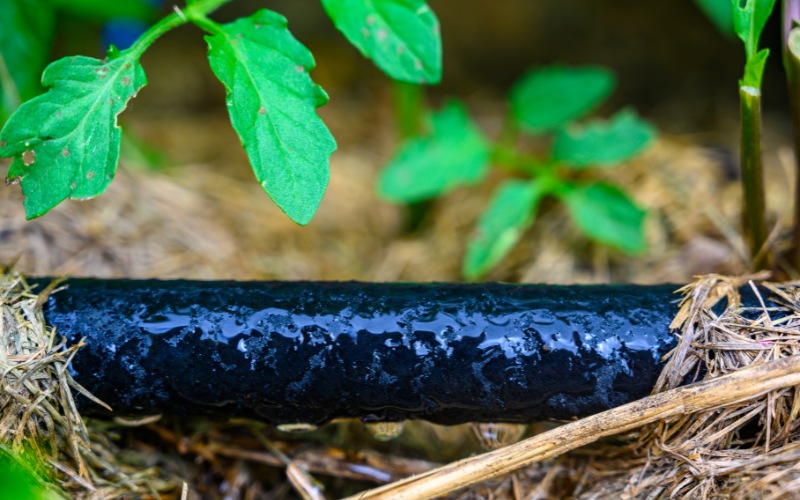
- Water Low and Slow: Use an irrigation system or soaker hose to ensure you get water deep in the soil to hydrate lower roots and encourage better root growth. Shallow watering will limit the amount of hydration that reaches your tree and can encourage the development of roots near the surface.
- Provide Enough Water: The general rule of thumb for tree watering is to give them 10 gallons of water per one inch of trunk diameter. This is another reason why slow watering is vital, as it allows you to better control how much water you get to your trees. Avoid overwatering, as that can cause root rot and the development of saturated soil.
- Target the Drip Line: The drip line is the area on the ground directly beneath the outer edge of your tree’s canopy. This is where most of the fine, hair-like roots responsible for absorbing water are located. Watering here ensures moisture reaches the parts of the root system that actually take it in, helping the tree stay hydrated and healthy during dry conditions.
Keep a Thin Layer of Mulch Around Your Tree
Organic mulch around your trees has numerous benefits. During a drought, it is even more important than ever.
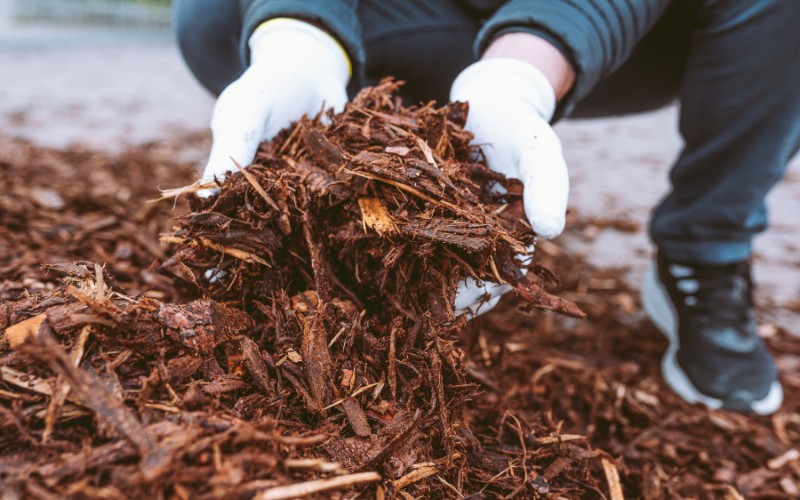
Mulch serves as a protective blanket that shields the ground from direct sunlight and controls the temperature of the soil. This protects the water in your soil from evaporating and allows more of it to reach your trees.
If you do have a layer of mulch, check it during a drought to ensure it is not too thick. We typically recommend keeping a mulch layer between two and four inches to avoid suffocating the roots or preventing water from reaching them. Keep it on the lighter side during a drought to ensure any rainfall we get reaches the soil.
Avoid Fertilizing Your Tree
While adding fertilizer can give your tree a boost of nutrients, it isn’t something we recommend during a drought. Trees require water to synthesize fertilizer into usable nutrients. During a drought, the fertilizer will either burn the roots as it sits there or cause a tree to waste the little water it has to process the fertilizer.
Save the fertilization for after the tree has recovered from drought to help it regain its energy reserves.
Don’t Prune Live Branches Until the Drought Subsides
While pruning by a Certified Arborist has many benefits for trees, there are times when it will have negative repercussions.
“A lot of people don’t realize how much effort it takes for a tree to heal. During a drought, pruning can actually set the tree back. If you want it to recover, give it time and water – not wounds.” – Jeff Van Meter, Owner and ISA Certified Arborist at Top Notch Tree
Frequently Asked Questions About Drought Stress
With the significant drought our area saw in late 2024 and early 2025 came plenty of questions from homeowners worried about their trees. To help you understand the dangers of drought and what you need to do, we’ve compiled a list of answers to your common questions.
Can drought kill a tree?
Yes, drought can kill a tree if it is severe enough and lasts for an extended period. Supplemental watering can limit the risk of it dying from a drought. If you are worried about your tree, consider having an arborist conduct a tree risk assessment to determine the condition of your tree, the risk it poses to your property, and what you can do to help.
Are there trees that are more susceptible to drought damage?
Yes, some tree species are more susceptible to drought stress, including:
- Several maple species
- Willows
- Birches
- Dogwoods
On the other hand, drought tolerant trees are good alternatives to plant on the South Shore.
How do I know if our area is experiencing a drought?
The easiest way to check if our area is in a drought is to visit drought.gov and enter your county for up-to-date information.
Worried About Drought-Stressed Trees? Trust Top Notch Tree for Expert Care
Drought stress isn’t always obvious right away, but over time, it can severely weaken or even kill your trees. If you’re unsure how your trees are holding up or whether one is already beyond saving, it’s time to bring in a professional.
At Top Notch Tree, our ISA Certified Arborists will assess your trees, recommend the right care to support recovery, and safely remove any that didn’t survive the drought. Call us today at 781-871-8008 or request an estimate online to keep your trees healthy, safe, and standing strong.